
Respiratory Illnesses - What's the Difference?
Respiratory Illness Season is Here!!
Influenza (flu) is beginning to make its appearance as we head into the colder months. As temperatures drop, we tend to spend more time indoors with family and friends, making it easier for viruses to spread. Close contact, crowded spaces, and cold, dry air can all contribute to an increase in respiratory illnesses.
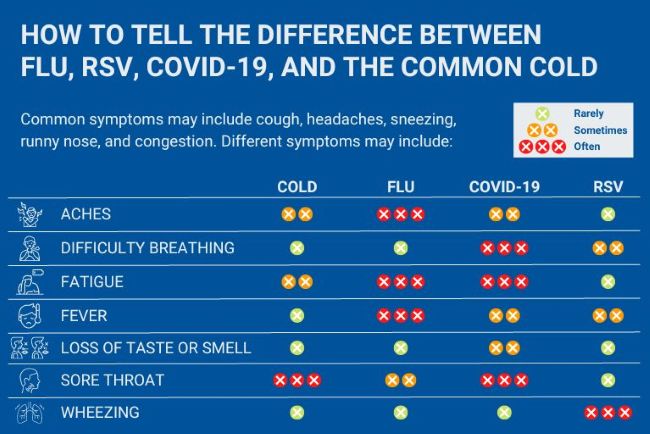
The flu, common cold, COVID-19, and RSV share many of the same symptoms, but knowing the differences can help you better understand what may be making you sick and when to seek medical care. Learning how these illnesses spread, recognizing symptoms, and knowing what prevention and treatment options are available can help keep you and your family healthy this season.
COLDS
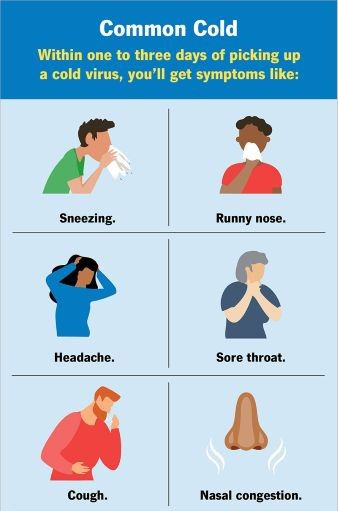
The common cold is a mild illness caused by a virus. Symptoms usually begin 1 to 3 days after being exposed to the virus. Common symptoms include coughing, a runny or stuffy nose, sore throat, watery eyes, and sneezing.
Most colds last about 7 to 10 days. Young children are more likely to catch colds and may have three or more during the cold and flu season.
There is no vaccine or cure for the common cold. However, getting plenty of rest, drinking fluids, and using over-the-counter medicines can help relieve symptoms while your body fights off the virus.
INFLUENZA (FLU)
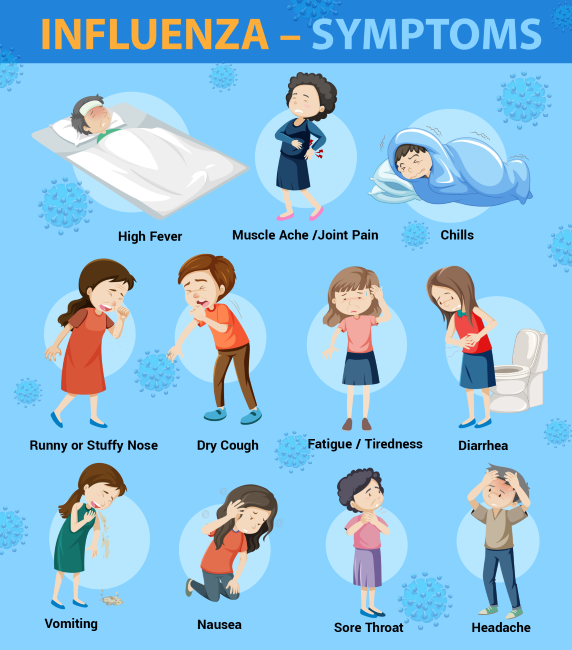
Influenza, commonly called the flu, is a contagious illness that can range from mild to severe. Symptoms usually begin 1 to 4 days after exposure and often come on suddenly. Common symptoms include fever (although not everyone has a fever), chills, cough, sore throat, runny or stuffy nose, body aches, and tiredness. Some people may also have vomiting or diarrhea, which is more common in children.
Most people recover from the flu within 5 to 7 days, although coughing and tiredness may last longer. Getting a flu shot each year is the best way to lower your risk of getting the flu and can help reduce the severity of symptoms if you do get sick.
The flu can be treated with antiviral medications that work best when started within 48 hours of the first symptoms. If you think you have the flu, contact your healthcare provider to discuss treatment options.
RSV (Respiratory Syncytial Virus)
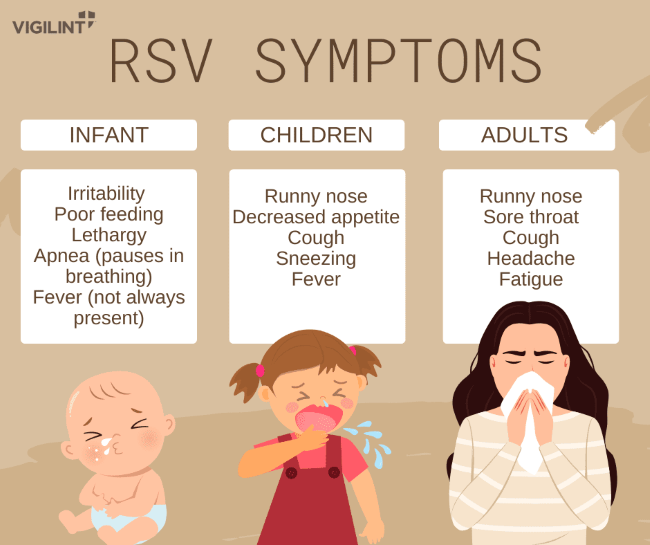
RSV is a common respiratory virus that can cause mild to severe illnesses. Symptoms usually begin 4 to 6 days after exposure. In children, symptoms may include fever, runny nose, loss of appetite, coughing, sneezing, and wheezing. Adults may experience a low fever, runny or stuffy nose, sore throat, sneezing, and headache.
Most people recover within 1 to 2 weeks. However, RSV can cause serious illness in babies, young children, and older adults. Warning signs include difficulty breathing, wheezing, or thick mucus that makes breathing harder. Seek medical care if these symptoms occur.
Vaccines are available to help protect eligible older adults and pregnant women, while preventive antibody treatments can protect infants and some young children from severe RSV illness. Talk with your healthcare provider about which options may be right for you or your family.
COVID-19
COVID-19 is a contagious respiratory illness that can range from mild to severe. Symptoms may begin 2 to 14 days after exposure to the virus. Common symptoms include fever, chills, cough, sore throat, runny or stuffy nose, tiredness, body aches, headache, and shortness of breath. Some people may also experience a loss of taste or smell, nausea, vomiting, or diarrhea.
Most people with COVID-19 recover at home, but some may develop serious illness. Older adults and people with certain health conditions are at greater risk for severe symptoms. Treatments are available that can lower the risk of serious illness and hospitalization. These treatments work best when started within the first few days of symptoms, so contact your healthcare provider or local pharmacy as soon as possible if you are at higher risk.
COVID-19 vaccines are available and can help protect against severe illness, hospitalization, and death. Talk with your healthcare provider about current vaccine recommendations and ways to protect yourself and your family.
As with any illness, seek immediate medical attention if you or someone else is having trouble breathing, chest pain or pressure that is not going away, confusion, trouble waking up or staying awake, bluish lips or face, or an uncontrolled fever after taking fever reducing medication.