

Clean, safe water is essential to our health. While public water systems are regularly tested and treated, private well water is not. That means it’s up to well owners to test and maintain their water to avoid exposure to harmful contaminants.
Some contaminants can make people sick right away. Others cause health problems over time. Many cannot be seen, smelled, or tasted, so regular testing is the only way to know if your water is safe.
SWNPHD Well Testing Program
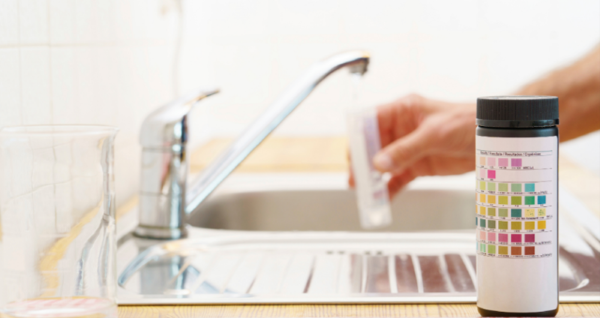
SWNPHD offers free paper test strips to check private wells for nitrates and nitrites. This is part of a partnership with the University of Nebraska-Lincoln’s Citizen Science Water Quality Project.
Each May and September, SWNPHD provides:
- Free nitrate/nitrite test strips
- Easy-to-follow instructions
- Educational materials on well water safety
These test strips are a simple way to start monitoring your well. However, they are not as accurate as lab testing. If your strip shows a problem—or if you want to be sure—it’s best to send your water to a certified lab.
To find out when testing is available, follow SWNPHD on social media, check our website, or call us directly.
SWNPHD Well Testing Program Report FY2025
Why Safe Drinking Water Matters
The Safe Drinking Water Act (passed in 1974) helps keep our public water systems safe. It allows the Environmental Protection Agency (EPA) to set limits for harmful contaminants in drinking water. Public systems must test water regularly and fix problems when they occur.
In Nebraska, the Department of Environment and Energy (NDEE) oversees these regulations. If there’s ever an issue, residents must be notified right away.
Understanding the Safe Drinking Water Act
What About Private Wells?
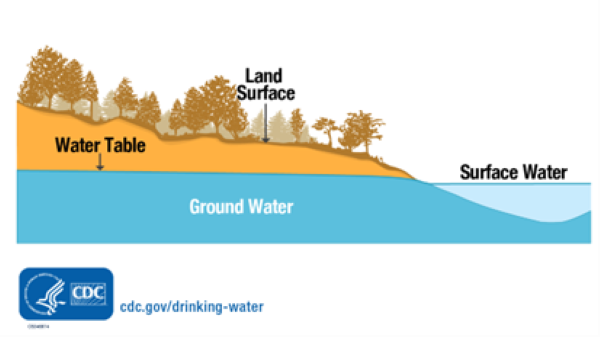
Unlike public systems, private wells are not regulated. That means no one is required to test your water except you.
Wells get water from underground sources (called groundwater). But groundwater can be polluted by:
- Fertilizers and pesticides
- Animal waste
- Bacteria
- Heavy metals
- Septic system leaks
- Surface water runoff after heavy rains
Once in your water, these contaminants can make you and your family sick. Regular testing is the best way to know what’s in your water.
Nebraska's Most Common Contamination: Nitrate
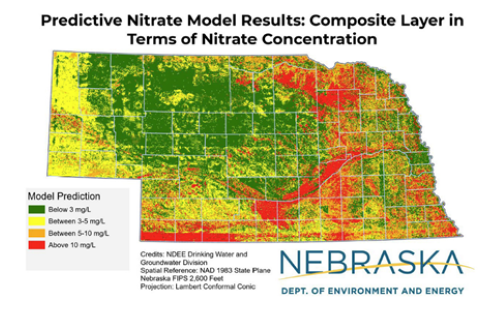
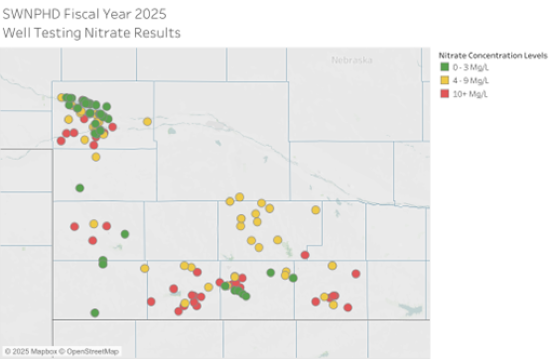
In Nebraska, nitrate is the most common well contaminant. It often comes from fertilizers, animal waste, and other farming activities. Nitrate is especially dangerous for infants and pregnant women.
To learn more about nitrate and other common contaminants in Nebraska well water, view our guide : Nebraska Water Contaminants
When Should I Test My Well?
Even if your water seemed safe in the past, it can become contaminated. You should test your well:
- Every year for nitrates and bacteria
- After floods or heavy rain
- If someone in your household is pregnant, a baby, or elderly
- After building a new well or moving into a home with a well

Where Can I Get My Water Tested?
Lab testing is more accurate than paper strips. You can contact a Nebraska-certified lab or the Nebraska Public Health Environmental Lab.
Here are some certified labs in our area:
Nebraska Certified Laboratories |
Location |
American Agricultural Laboratory |
McCook |
Central District Health Department |
Grand Island |
Public Health Environmental Lab |
Lincoln |
Enviro Services Inc |
Scotts Bluff |
Metropolitan Utilities Districts |
Omaha |
Midwest Laboratories, Inc. |
Omaha |
Some Natural Resource Districts (NRDs) also offer water testing for private well owners. Find your local NRD: https://www.nrdnet.org/
Keeping Your Well Safe
It’s not just about testing. Safe water also depends on regular maintenance:
- Inspect your well each year
- Keep the wellhead clean and sealed
- Don’t store or use chemicals near your well
- Fix cracks or damage right away
If your water is contaminated, treatment options include:
- Reverse osmosis systems
- Activated carbon filters
- Water softeners
- Shock chlorination
When in doubt, use bottled water until the issue is fixed. A licensed water treatment expert can help you choose the right solution.
Learn More and Get Help
- Private Well Class: a free online course offering general well knowledge for private well-owners.
- Midwest Assistance Program (MAP) a nonprofit that provides free or low-cost home assessments, on-site well inspections, and personalized advice across Nebraska and surrounding states.